

What Is a Wire Transfer? How It Works, Costs and Safety
Contents
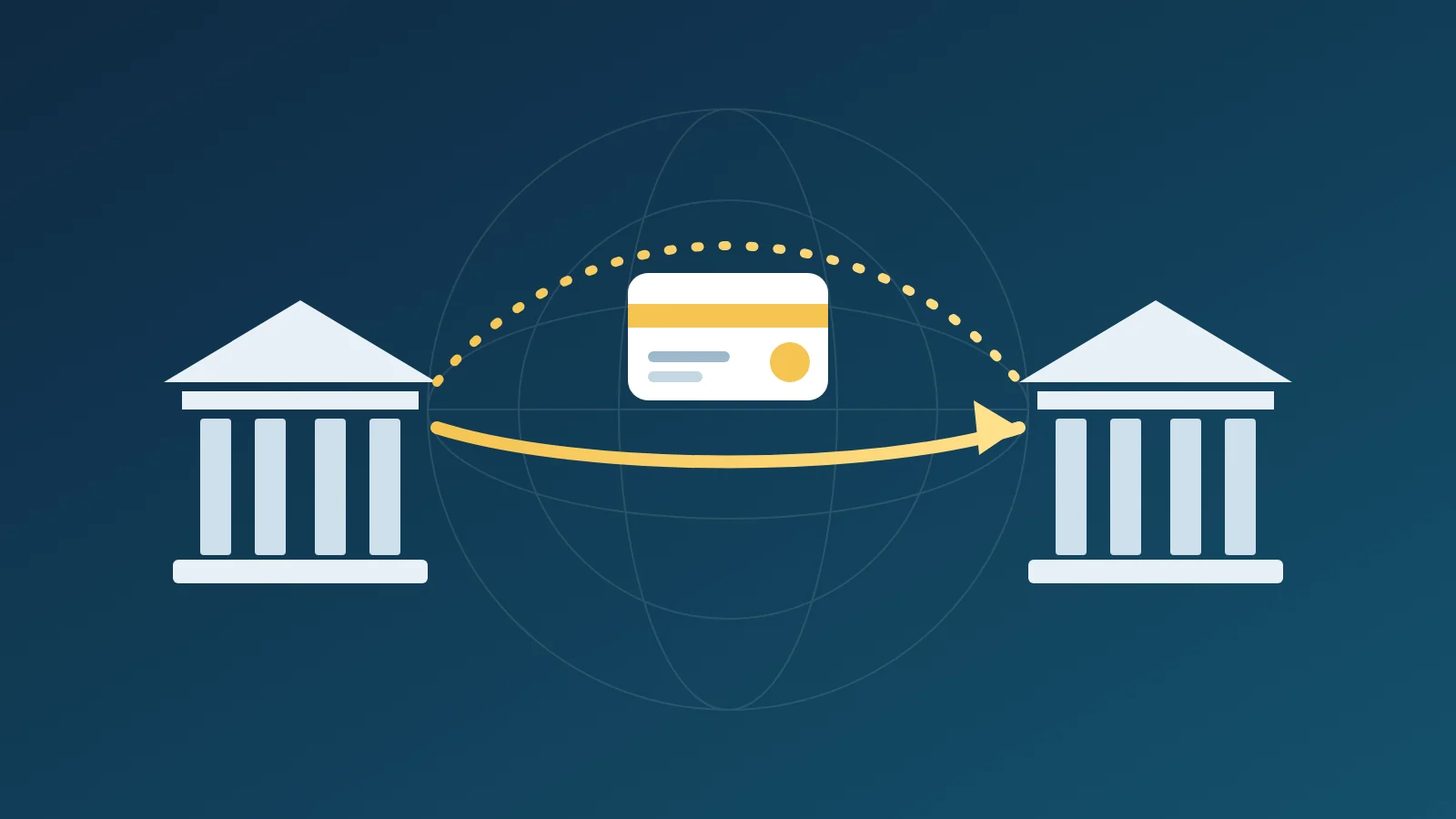
A wire transfer is an electronic transfer of money from one bank account to another, sent directly between banks. The sender asks their bank to move a specific amount, and the bank sends payment instructions through a secure network to the receiving bank, which credits the recipient. Wire transfers are used for large payments, urgent payments and payments to other countries.
How a wire transfer works
Unlike a card payment or a check, a wire does not move physical cash or paper. Banks exchange messages through payment networks and settle the amount between themselves. In practice a wire has five steps:
- You give the details. You provide the recipient's name, account number, bank name and routing details. For international wires you also need a SWIFT/BIC code, and often an IBAN.
- Your bank checks the request. It confirms your identity, checks that you have enough funds and screens the payment against sanctions and fraud rules.
- The money leaves your account. The bank debits the amount plus any fee.
- The banks exchange instructions. A domestic wire in the United States usually goes through Fedwire or CHIPS. International wires commonly use the SWIFT messaging network, sometimes through one or more intermediary banks.
- The recipient's bank credits the account. The funds become available once the receiving bank finishes its own checks.
Domestic vs international wire transfers
| Domestic wire | International wire | |
|---|---|---|
| Typical speed | Often the same business day | Often 1–5 business days |
| Details needed | Name, account number, routing number | Name, address, account number or IBAN, SWIFT/BIC code |
| Typical fees | A flat fee, usually higher for outgoing wires | Sender fee, possible intermediary fees and a currency conversion margin |
| Currency | Same currency | Often converted, so the exchange rate matters |
Speeds and fees differ by bank, country, currency and cut-off time, so check your bank's published schedule before sending.
What a wire transfer costs
Banks charge for wires because each one needs manual checks and uses expensive payment rails. The cost has up to three parts:
- Sending fee: charged by your bank for an outgoing wire.
- Receiving fee: some banks charge for incoming wires too.
- Intermediary and exchange costs: on international wires, middle banks can deduct a fee, and the exchange rate can include a hidden margin.
Ask your bank whether the payment is sent as "OUR" (the sender pays all fees), "SHA" (shared) or "BEN" (the recipient pays), because this choice changes the amount that arrives.
Wire transfer vs other payment methods
- ACH: cheaper and slower, suited to payroll and recurring bills. ACH payments can often be reversed, while wires are generally final.
- Check: slow and can bounce, but needs no bank details from the payer.
- Card payment: convenient for small purchases, with chargeback protection and merchant fees.
- Online money transfer services: often cheaper for small cross-border payments, but may have lower limits.
When a wire transfer makes sense
- Large payments, such as a property deposit or equipment purchase.
- Time-sensitive payments that must arrive the same day.
- Payments to suppliers or clients abroad when the other side requires a bank transfer.
- Situations where the recipient wants guaranteed, final funds.
How to send a wire transfer safely
Wire transfers are hard to reverse, so fraudsters like them. Reduce the risk with a few habits:
- Confirm payment details by phone, using a number you already know, before sending a large wire. Email invoices with changed bank details are a common scam.
- Check the recipient's name, account number and bank code character by character.
- Never send a wire to someone you met online and have not verified, especially if they ask you to hurry.
- Keep the confirmation and reference number. If something goes wrong, contact your bank immediately, because a quick request has the best chance of recalling funds.
Common mistakes
- Entering the wrong account number or SWIFT code, which can delay or return the payment.
- Sending after the bank's daily cut-off time and expecting same-day delivery.
- Ignoring intermediary and exchange-rate costs when comparing offers.
- Trusting changed payment instructions without verification.
Key takeaways
- A wire transfer is a direct bank-to-bank payment, usually fast and difficult to reverse.
- International wires need a SWIFT/BIC code and often an IBAN, and can cost more because of intermediary banks and exchange rates.
- Check details and fees before sending, and verify payment instructions independently.
This article is general information, not financial or legal advice. Fees, cut-off times and rules differ by bank and country.